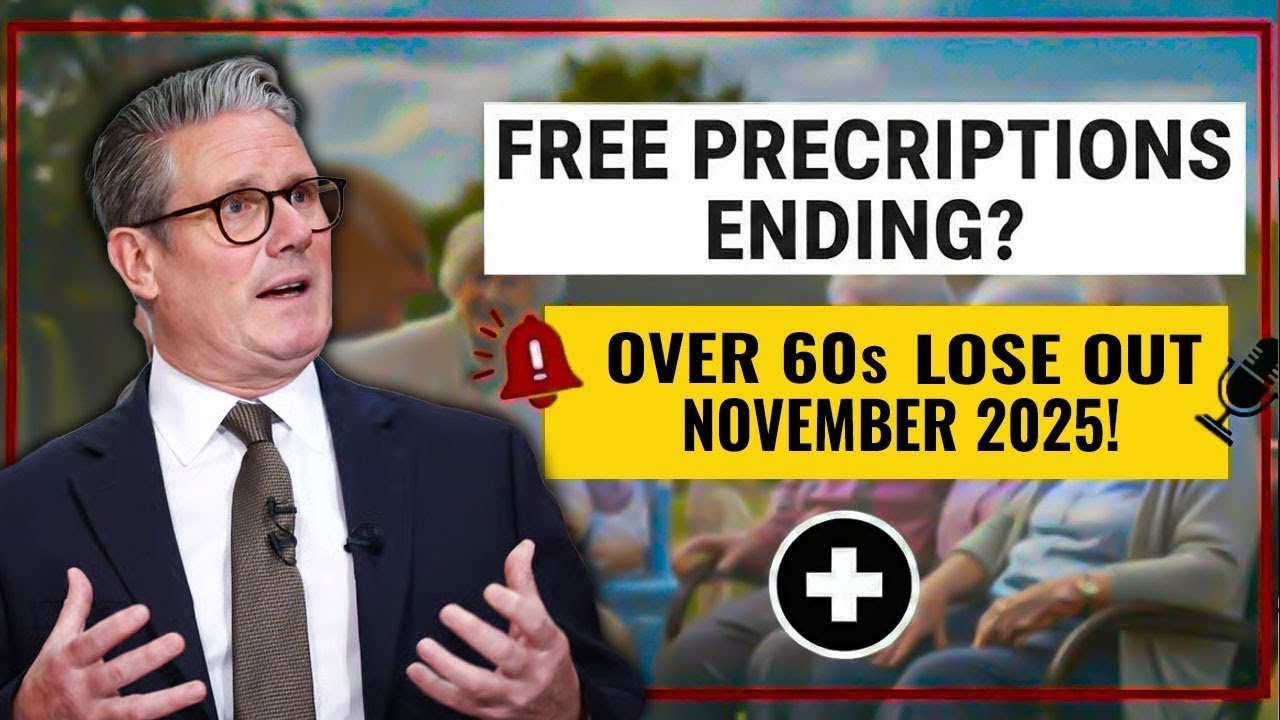
The National Health Service (NHS) prescription system has long provided essential support to millions of people across the UK, especially older citizens who rely on regular medication to manage long-term health conditions. For decades, individuals aged 60 and above were eligible for free prescriptions in England, making healthcare more accessible and affordable. However, a major rule change is now on the horizon, signalling the potential end of free NHS prescriptions for people aged over 65. This new development has caused widespread concern, debate, and confusion among the public, particularly older citizens who depend heavily on the current system.
If you or someone in your family is approaching 65 or already in that age bracket, understanding this policy change is crucial. This article explains what the new rule could mean for you, why the government is introducing it, who will still qualify for exemptions, and how to prepare for upcoming changes. The goal is to help UK residents stay updated, avoid surprises, and continue receiving the medications they need without unnecessary financial stress.
What Is Changing for Over-65s?
The biggest shift in the new rule is the increase in the age threshold for free NHS prescriptions. Until now, people in England received free prescriptions as soon as they turned 60. The proposed change will raise the eligibility age to align it with the State Pension age, which is currently 66 for most residents and expected to rise in the future.
This means that individuals aged between 60 and 65 may no longer be automatically entitled to free prescriptions. Instead, they will have to pay the standard NHS prescription charge unless they qualify for another exemption category. For many older adults living on fixed incomes, this shift may represent a notable financial burden — especially if they require multiple medications each month.
The government stated that the change aims to ensure the NHS remains financially sustainable as the population lives longer and the demand for medication continues to rise. However, this reasoning has not eliminated the concerns of those who believe the change could disproportionately affect people in the 60-65 age group, who already face rising living costs.
Why Is the Government Making This Change?
The main reason behind the rule change is increasing NHS pressure and costs. As life expectancy increases, a significant share of NHS spending is dedicated to long-term health conditions such as diabetes, blood pressure, asthma, and heart disease—many of which are more common in older adults.
By raising the age for free prescriptions, the government expects to generate additional revenue from prescription charges. This revenue can then be reinvested into primary care and community health services. The policy also reflects the idea that people aged 60–65 are more active and financially independent today than previous generations, meaning they may not need free prescriptions as early.
However, critics argue that the policy fails to consider individuals who continue working with low incomes or those who retire early for health or family reasons. They highlight that the period between 60 and 65 often includes increased medical needs as the body ages and health conditions start to develop. As a result, many people believe the financial impact could outweigh the expected benefits to the NHS system.
Who Will Still Receive Free Prescriptions?
Even with the new rule coming into effect, many people will still qualify for free prescriptions through other exemption categories. This ensures that vulnerable groups continue to receive support. The categories expected to remain unchanged include:
- People aged over the new threshold (aligned with the State Pension age)
- Individuals receiving certain means-tested benefits
- Pregnant women and new mothers (within the first 12 months after birth)
- Cancer patients and those undergoing specific treatments
- People with certain medical conditions that qualify for exemptions
- Individuals receiving income-based support such as Universal Credit (depending on earnings level)
- People in full-time education under the age of 19
The government has reassured the public that these exemptions will remain intact, protecting the most vulnerable groups from the financial impact of the policy change.
How Much Will Over-65s Have to Pay?
The standard NHS prescription charge in England is applied per item. For people who take multiple medications for chronic conditions, the monthly cost can add up quickly. While the charge can fluctuate each year, individuals should prepare for average annual increases as the NHS adjusts to inflation and rising operational costs.
Fortunately, a Prescription Prepayment Certificate (PPC) may help reduce expenses. A PPC allows patients to pay a fixed amount for unlimited prescriptions over a set period, such as three months or one year. This can significantly lower the cost for individuals who need several medications regularly.
Understanding your medication requirements and financial eligibility is essential. Many older adults may also qualify for the NHS Low Income Scheme, which helps reduce or remove healthcare costs based on income and savings.
How Will This Change Affect Everyday Life?
The shift in prescription eligibility may feel overwhelming to many older UK citizens, especially those who relied on free prescriptions for years. For someone aged 63 or 64 managing conditions like high cholesterol, arthritis, or thyroid problems, paying for monthly medication could introduce new financial pressures.
This is particularly relevant given the rising cost of living, including higher energy bills, increased food prices, and overall inflation. Older adults who are on limited incomes, small pensions, or part-time work may feel the impact more sharply.
However, by planning ahead, reviewing available support schemes, and understanding exemptions, individuals can manage costs more effectively.
What Should You Do If You’re Nearing 65?
If you are approaching 60–65 and currently receiving free prescriptions, here are important steps to consider:
- Check whether you qualify for any other exemptions.
Many people overlook categories such as medical condition exemptions or income-related support. - Review your regular medication costs.
Understanding your typical prescription needs will help you plan for monthly expenses under the new rule. - Look into Prepayment Certificates.
A PPC can be beneficial if you require two or more medicines every month. - Consider the NHS Low Income Scheme (LIS).
If you have limited savings or income, you may still qualify for help. - Speak to your GP or pharmacist.
They can advise on cost-effective treatment options or suggest generic versions of medications. - Review your overall health plan.
Lifestyle changes, routine check-ups, and preventive care can reduce long-term reliance on costly prescriptions.
Understanding the new rule early will help you avoid unexpected expenses and maintain access to essential medication.
Are There Any Exceptions for Chronic Conditions?
Many individuals with long-term health conditions worry about losing free access to medication. The good news is that certain chronic conditions still qualify for medical exemptions, regardless of age. These include:
- Diabetes requiring medication
- Cancer and undergoing cancer treatment
- Addison’s disease
- Epilepsy requiring continuous medication
- Severe thyroid disorders
- Certain physical disabilities
If your condition is included in the exemption list, you will continue to receive free prescriptions even after the age rule changes. It is important to apply for a medical exemption certificate if you qualify.
Could This Rule Change in the Future?
The NHS system is constantly evolving, shaped by public demand, government decisions, economic climate, and healthcare trends. While the new rule indicates a significant shift in prescription policy, future governments could revisit or revise the policy depending on feedback, economic performance, and health service pressures.
Public reactions, advocacy groups, senior citizen forums, and health charities may also influence whether further adjustments occur. For now, it is essential to stay informed and monitor official updates from NHS England and UK health departments.
Final Thoughts
The end of free NHS prescriptions for over-65s marks a major change in healthcare policy and is likely to affect millions of older adults across England. The shift aims to create a more sustainable system but also raises concerns about affordability, especially for those with chronic health needs.
Understanding the rule, knowing your eligibility status, and exploring available financial support will be key to adapting smoothly. Whether you are already in the affected age group or approaching it, preparing early can help you maintain your health without unnecessary financial strain.
By staying informed, planning your healthcare costs, and leveraging exemption schemes, you can continue accessing essential medication while navigating this important change confidently.